My Gowanus Souvenir
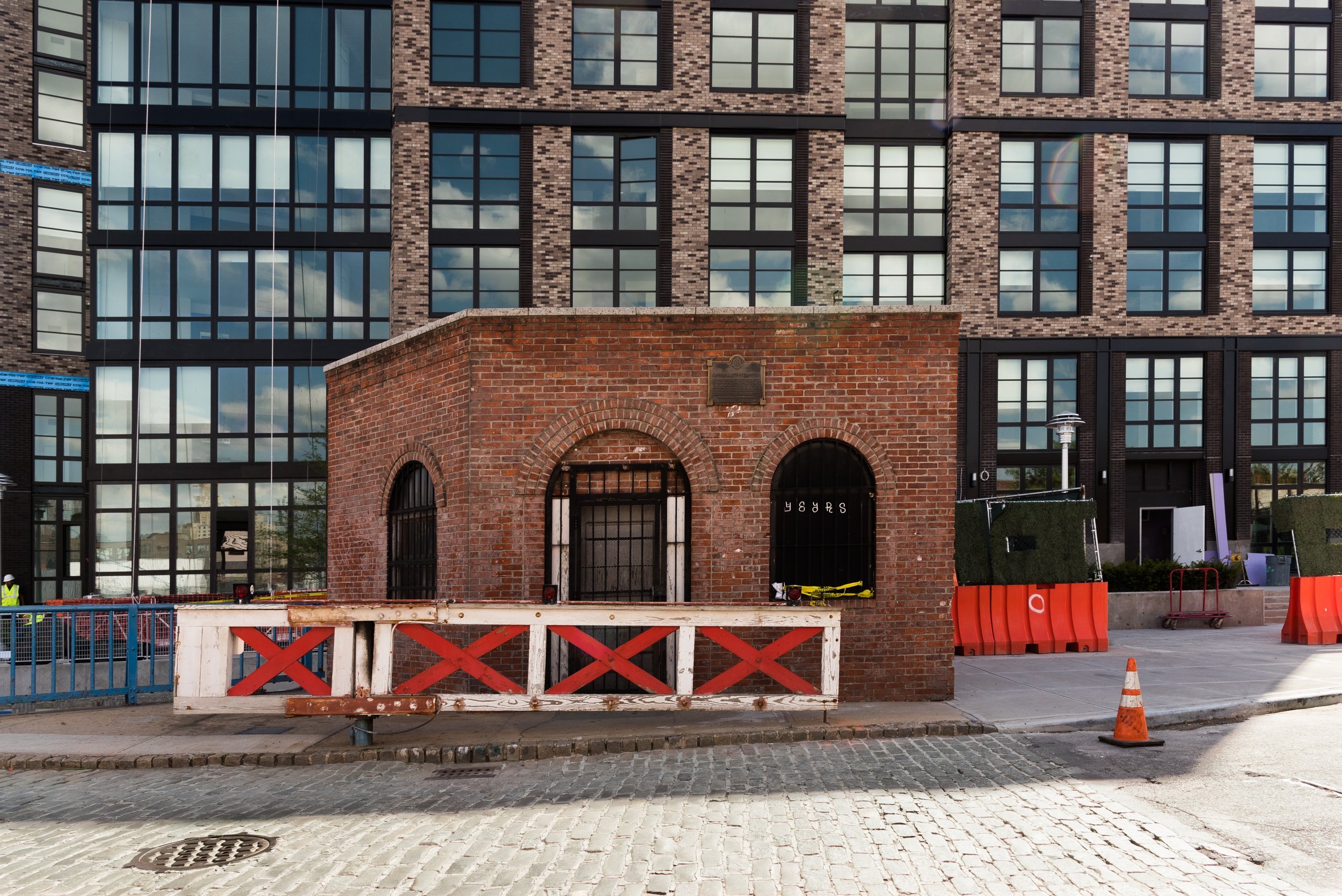
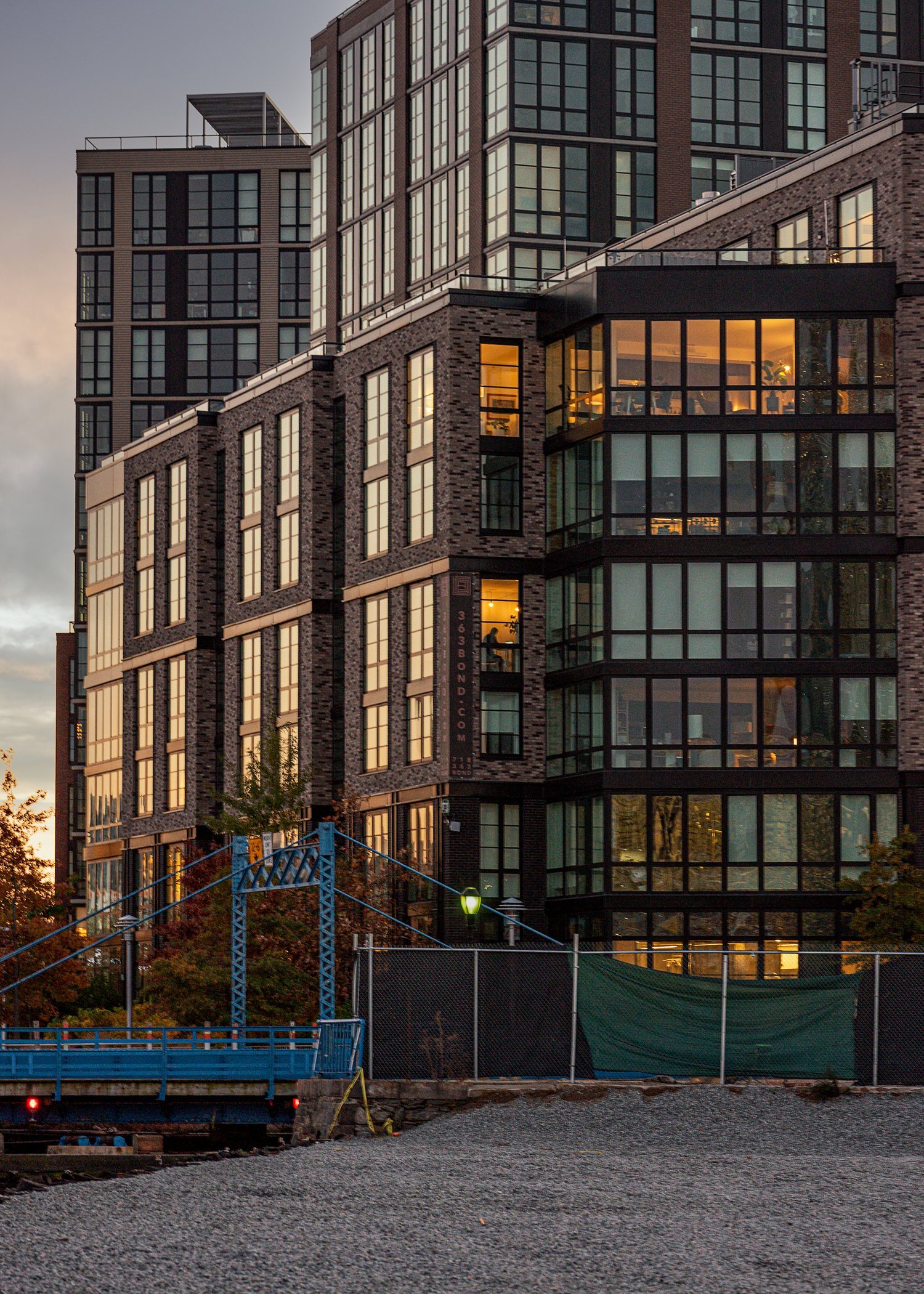
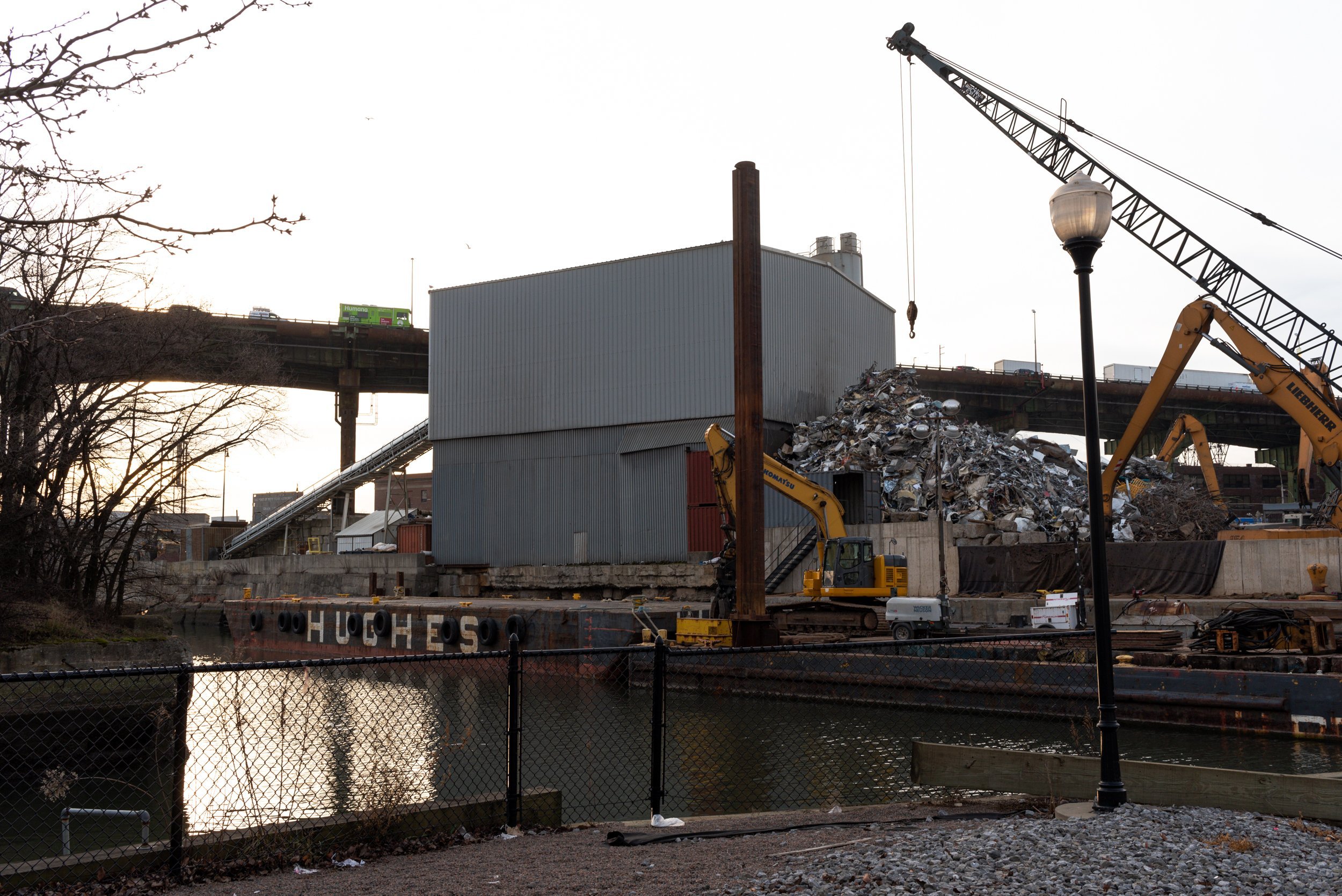
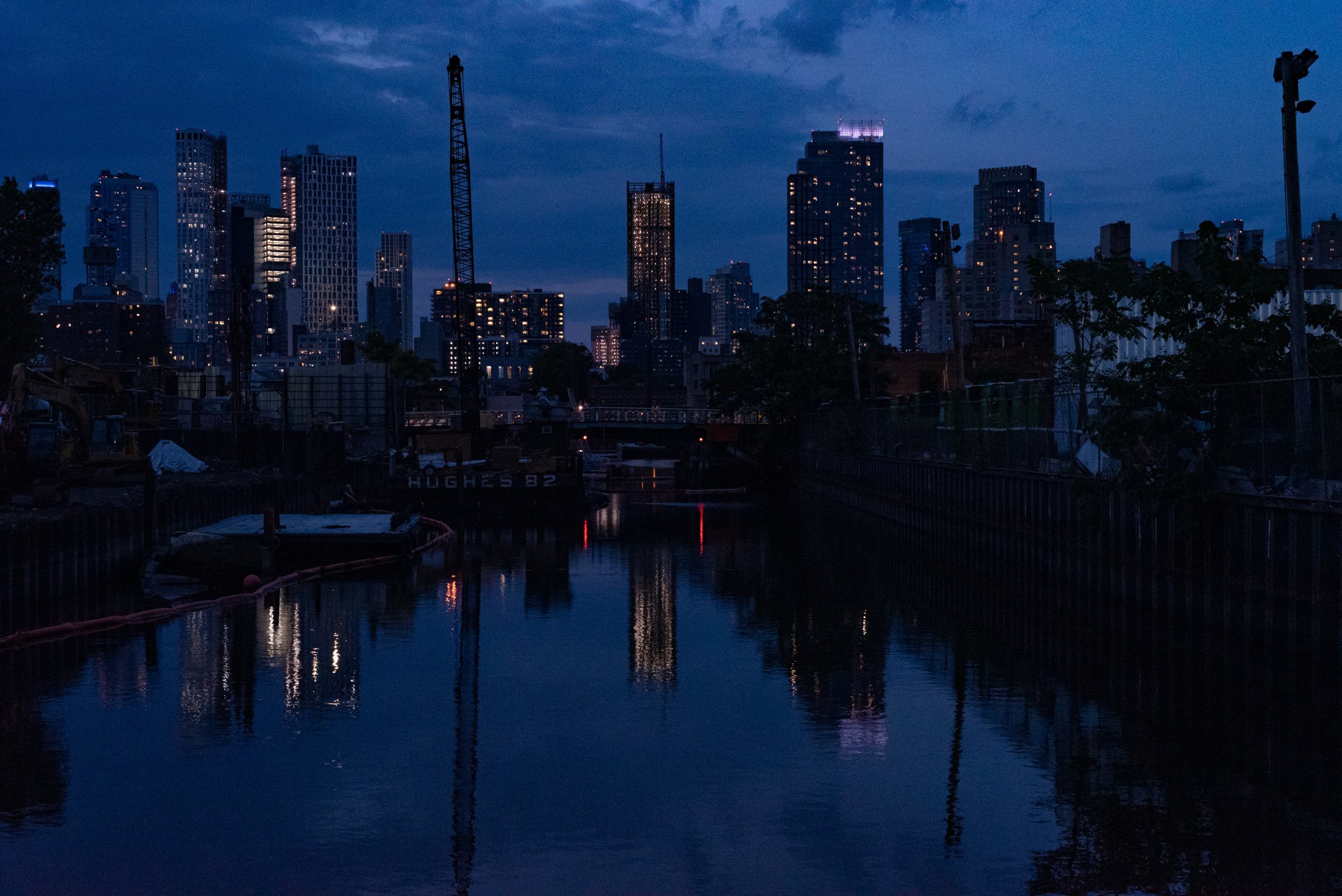
For ten years, I’ve been walking and photographing along the Gowanus Canal (a notoriously polluted waterway and superfund site) and its neighborhood in Brooklyn, not far from my home for “My Gowanus Souvenir.” Much of the experience in my series is about the juxtaposition of new and old. It is sensory and tactile: the sites, sounds and smells of the co-existence of history and its current modern form captivate me. Wedged between brownstone neighborhoods, Gowanus is an anachronism. Once a verdant landscape and home to the Lenape Native People, it became critical to the city’s industrialization linking manufactured gas plants, paper mills, tanneries and other chemical plants to customers and a working class neighborhood in the shadows of factories. Gowanus’ wide-open spaces with low-scale residences and warehouses give me a window into a time when industrialization boomed in New York.
-
I’ve always been interested in cities and their transformations. As a law student, I wrote, “A One Way Ticket to Palookaville”: Supreme Court Takings Jurisprudence and its Implications for New York City’s Water Front Zoning Resolution,” 17 Cardozo L. Rev. 331 (1995) analyzing the constitutionality of a NYC Waterfront Zoning Ordinance and arguing for the ordinance to further waterfront access in the public interest. Zoning ordinances like that are rapidly transforming Gowanus from a declining industrial manufacturing area and enclave for artists into a dense affluent residential area with waterfront access. The remains of industrialization persist as toxic waste, decaying warehouses and wood-frame working class homes that are disappearing. Like other urban areas, change is constant in Gowanus.
Photographing the neighborhood connects me to the history and memories that underlie its rapid transition. My images memorialize the moment I experience and link me, the places I’ve been and the viewer. I see evidence of the past in old signs, aging architecture and broken beer bottles and of the future in the towering new apartment buildings and unplanned but thriving plant life co-existing within the contaminated landscape. These elements speak to me of people who lived and worked here and those that do so now. Those contradictions and underlying stories spark my interest in making a photograph. I try to create a non-sentimental record of Gowanus over a time of great change and environmental impact while celebrating the beauty of light on the canal and the patina of peeling paint.